
Vlky - hranica
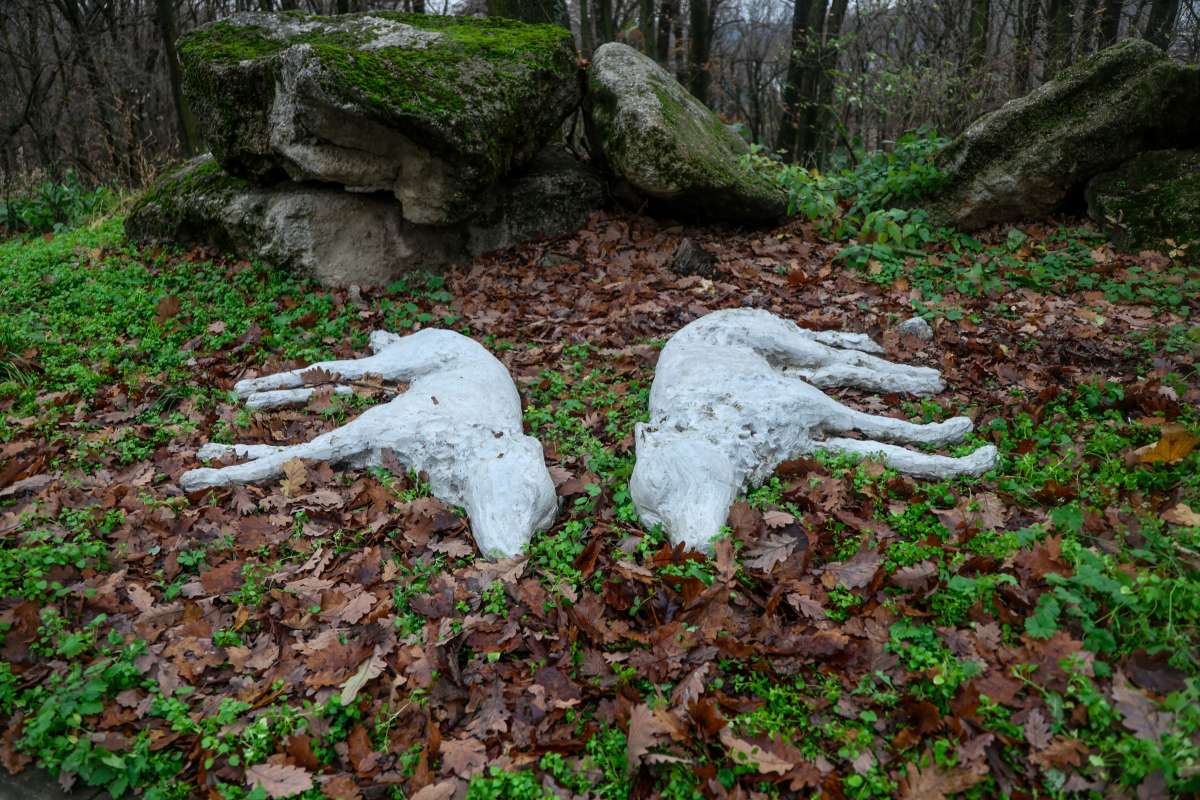
ZOO Bratislava po vzore zahraničných zoologických záhrad dopĺňa areál nielen o nové výbehy, ale sprevádza aj umením zo sveta zvieracej ríše. Pri výbehu vlkov v Karpatskom lese môžete nájsť zdanlivo spiaci pár vlkov. Viac o diele si môžete prečítať od autorky Alexandry Hoferovej:
Hranica (2025), Alexandra Hoferová:
„V čase, keď je na Slovensku povolený odstrel chránených druhov, sa otázka hranice medzi ochranou prírody a jej likvidáciou stáva čoraz aktuálnejšou. Moja sochárska intervencia reaguje na súčasnú situáciu, kde vlci, medvede a ďalšie druhy zvierat čelia odstrelu pod zámienkou bezpečnosti a tradície. Rozhodnutia o odstrele sú však v skutočnosti poháňané pravekou túžbou po love, zabíjaní a získaní trofejí.
Vlci a medvede, symbol slobody a nespútanej prírody, sa stávajú obeťami strachu, predsudkov a politických rozhodnutí. Politici, ktorí majú chrániť prírodu, vzácne druhy zvierat, biodiverzitu a prirodzenú rovnováhu, používajú svoju moc na reguláciu, obmedzenia a napokon elimináciu. Moc tu nie je nástrojom zodpovednosti, ale prostriedkom kontroly.
Dve samostatne ležiace telá mŕtvych vlkov - samec a samica, ktorí sa podľa príbehu, ktorý som si osvojila ako východisko, oddelili od svojej svorky. Po prekročení hranice národného parku boli zastrelení. Táto konkrétna udalosť bola pre mňa inšpiráciou pre vizuálnu reakciu, pomník. Sochy vlkov sú zobrazené v pokojnej, ale zraniteľnej pozícii - bez pátosu, no s dôstojnosťou. Smrť nie je len biologická, ale aj symbolická - vlk ako znak nezávislosti a dôstojnosti sa v tejto práci mení na memento.
V symbolickej rovine pracujem s archetypom vlka. V mojom prípade sa však nejedná o jeho romantizovanie. Vlk nie je len nositeľom projekcií o slobode, nebezpečenstve alebo sile - je zrkadlom nášho vzťahu k prírode. Keď ničíme vlka, ničíme aj časť našej kultúrnej a psychologickej identity. Z archetypu sa stáva varovanie: čo sa stane, keď tento archetyp prestane existovať?
Moja práca nevznikla ako obžaloba, ale ako výzva na zamyslenie. Vzniká tak priestor, kde sa divák môže zastaviť. Socha sa stáva pomníkom.
Tento výtvarný jazyk je pre mňa spôsob, ako klásť otázky. Čo znamená byť zodpovedný za krajinu. Kedy sa ochrana mení na útok? Kde je hranica, na ktorej sa človek zastaví? Kde je hranica moci a kde hranica ochrany života? Prekročenie ľudských hraníc, nielen tých zemepisných v národnom parku, ale aj hraníc rozumu, zodpovednosti a súcitu, znamenalo smrť 23 vlkov za 15 dní povoleného odstrelu v prvej polovici roku 2025.“
Border (2025), Alexandra Hoferová:
At a time when the culling of protected species is permitted in Slovakia, the question of where to draw the line between nature conservation and destruction has become increasingly urgent. My sculptural intervention responds to the current situation, in which wolves, bears, and other species face being shot under the pretext of safety and tradition. However, these decisions are driven by a primal desire for hunting, killing, and trophy-taking.
Wolves and bears—symbols of freedom and untamed wilderness—have become victims of fear, prejudice, and political decisions. The politicians who are supposed to protect nature, rare animal species, biodiversity, and the natural balance instead use their power to regulate, restrict, and ultimately eliminate. Here, power is not a tool of responsibility but an instrument of control.
Two separate bodies of dead wolves—a male and a female—lie before us. According to the story I adopted as a point of departure, they had strayed from their pack and were shot after crossing the border of the national park. This specific event inspired my visual response: a monument. The wolf sculptures are shown in a calm yet vulnerable position—without pathos, but with dignity. Death here is not only biological but also symbolic: the wolf, a sign of independence and dignity, becomes a memento.
On a symbolic level, I work with the archetype of the wolf. In my case, however, this is not an act of romanticization. The wolf is not merely a carrier of projections about freedom, danger, or strength—it is a mirror of our relationship to nature. When we destroy the wolf, we destroy a part of our cultural and psychological identity. The archetype becomes a warning: what happens when it ceases to exist?
My work is not an accusation but an invitation to reflect. It creates a space where the viewer can pause. The sculpture becomes a memorial.
This visual language is my way of asking questions. What does it mean to be responsible for a landscape? When does protection turn into attack? Where is the line at which a person stops? Where is the limit of power, and where is the boundary of protecting life? Crossing human boundaries—not only the geographical ones within a national park but also the limits of reason, responsibility, and compassion—resulted in the deaths of 23 wolves during 15 days of permitted culling in the first half of 2025.