
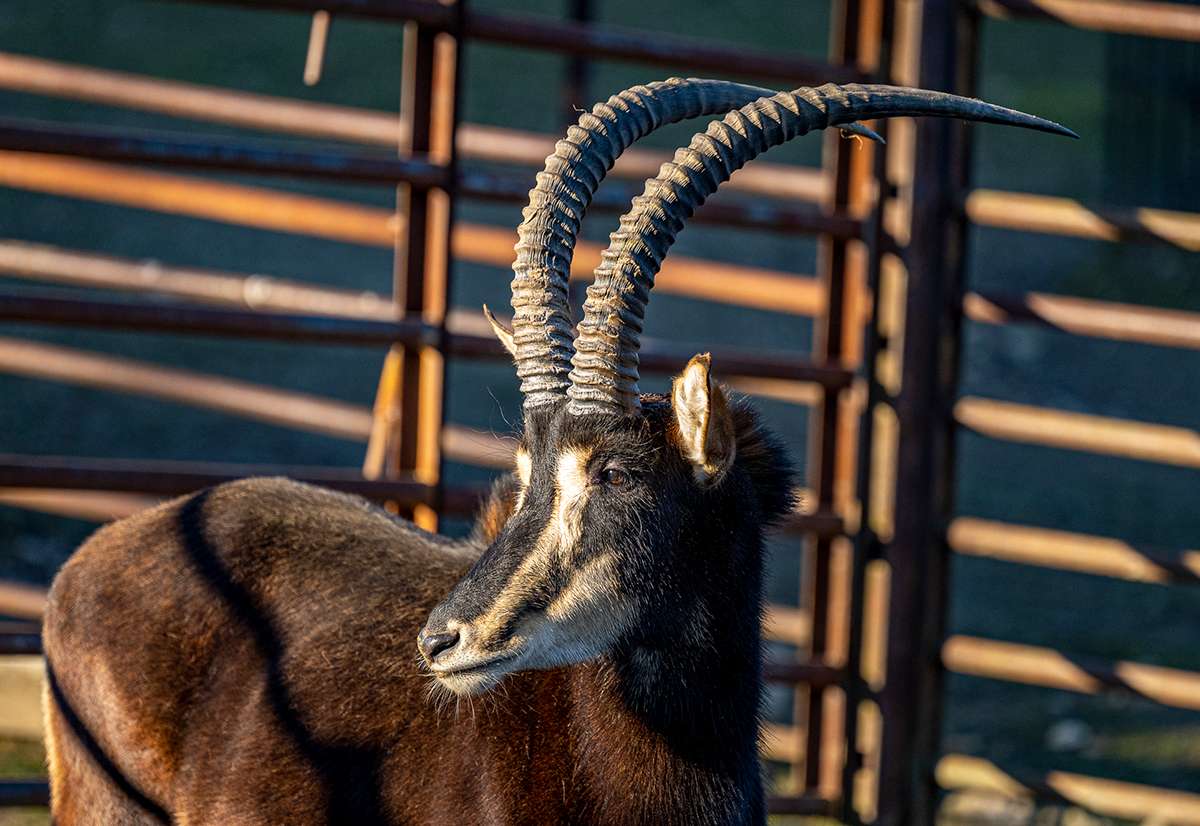
South African sable antelope(Hippotragus niger niger)
Staňte sa členom našej rodiny
Naše zvieratá si môžete adoptovať a prispieť na ich kŕmenie, enrichment, rozvoj ich prostredia a ZOO.
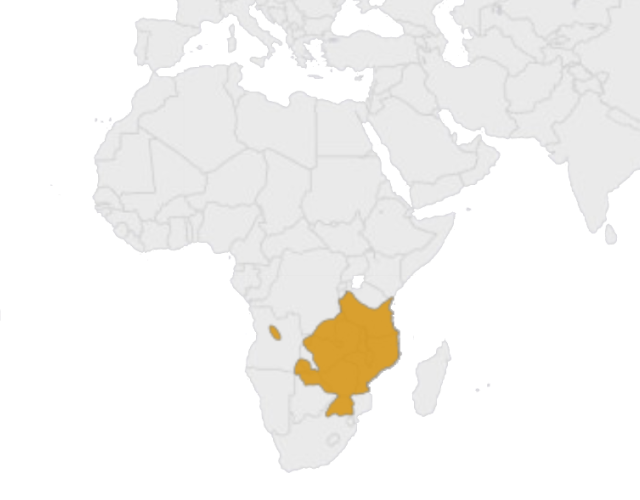
Sable antelope is one of Africa’s most impressive antelopes living in the southern savanna of Africa. In their natural habitat, we can encounter four subspecies of Sable antelope: Hippotragus niger roosevelti, Hippotragus niger kirkii), Hippotragus niger variani and Hippotragus niger niger) - a subspecies that we keep in our zoo. Sexual dimorphism is present in these antelopes. Colouration is the most obvious difference, with females and young being bright chestnut to dark brown and mature males being chestnut to jet black. The white belly contrasts greatly with the back and sides. The face is white with a black facial mask consisting of a wide black stripe on the nose and stripes running from the eyes to the nose. The horns are massive and more curved in males.
Basic Information
savanna woodlands and grassland
grass, foliage, shrubs, fruit
diurnal and nocturnal, social and territorial - herd consists of one dominant male and many females (15 – 25) with young. Males set up their territories in the best grazing areas to attract females